Link Building Platform
Managed link building with approval before outreach
Vetted publishers, placement control, and reporting that ties every live link to traffic and revenue—for in-house teams and the agencies that support them.

Trusted by in-house SEO teams and growth agencies





Built around control, quality and measurable delivery
Three operating principles shape how this link building platform runs campaigns for brands and agencies alike.
Vetted inventory
Every site in the publisher marketplace is checked for real organic traffic, topical relevance, outbound link ratio, indexation and history. PBNs and link farms are refused entry. You select from inventory that already cleared those gates rather than hoping a vendor spreadsheet was honest.
You approve every placement
The approval workflow is not a courtesy email. Proposed placements sit in your queue with URL, anchor text and publisher context until you accept or reject them. Outreach starts only after that decision, so brand and legal stay aligned without blocking the operators who execute.
Links tied to revenue
Live backlinks are tracked as referring domains against the pages you prioritised. Reporting connects placements to rankings, traffic and revenue signals your leadership already understands. The goal is defendable ROI conversations, not vanity screenshots of a single DR number.
Link building platform features operators actually use
Software for selection and control, with an in-house team handling outreach once you approve.
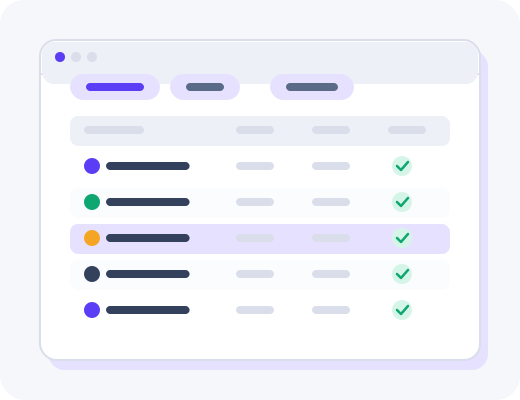
Publisher marketplace with real filters
Browse a publisher marketplace filtered by category, country, DR and organic traffic before a single pitch goes out. Inventory is screened for topical fit and outbound health so your team spends time deciding, not digging through opaque vendor spreadsheets.
- Filter by niche, geo, DR and traffic band
- See link type and typical turnaround before you approve
- Anonymised sample below; full inventory after demo
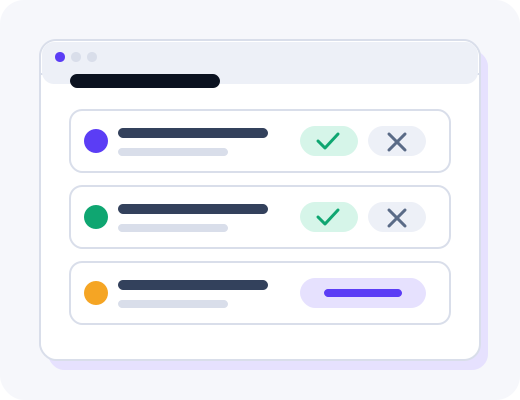
Approval workflow before outreach starts
Every proposed placement hits your queue with target URL, suggested anchor text and publisher context. Accept, reject or request a revision. Outreach does not begin until you approve, so brand, legal and SEO stay aligned.
- Accept or reject each placement in the dashboard
- Rejected ideas do not consume delivery credits
- Anchor and URL preferences stay attached to the order
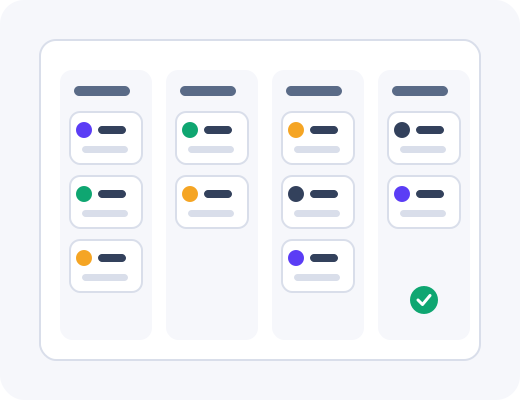
Order tracking from brief to live link
Track each order from brief through outreach, content, live and verified. Your SEO squad and stakeholders see the same stages without chasing account managers for weekly updates.
- Shared pipeline visible to your whole team
- Stage timestamps for planning and retrospectives
- Clear ownership when a placement stalls
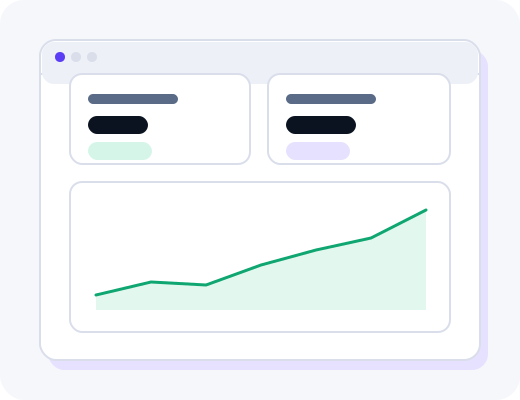
Reporting that connects links to outcomes
Live backlinks are logged with referring domains, anchors and indexation checks. Optional analytics and Search Console connections help you read traffic and ranking movement beside the placements that contributed.
- Live URLs, anchors and referring domain records
- Optional analytics and Search Console connections
- Exports suited to monthly business reviews
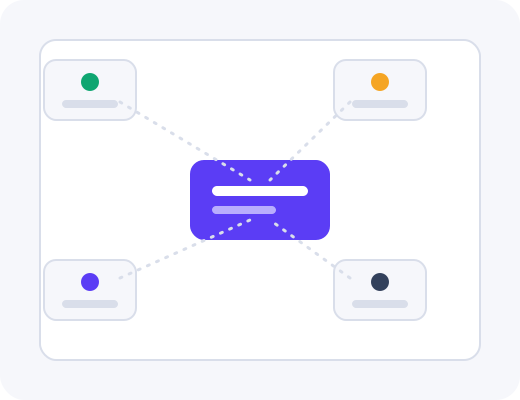
Integrations for the tools you already use
Connect the stack your team already trusts so delivery data does not live in a silo. Integrations reduce copy-paste between the platform and the systems your marketing ops already maintain.
- Analytics and search console hooks
- Shared access for marketing ops and SEO
- Fewer manual exports between systems

White label workspaces for agencies
Agencies get isolated client workspaces and unbranded reports so delivery looks like it came from your team. Keep one delivery partner underneath while presenting clean progress to each brand lead.
- Separate workspaces per client
- Unbranded reporting for CMO decks
- Volume scoped across accounts without chaos

Quality standards before a site earns a seat
A link building platform is only as strong as the inventory it allows. Our screening rejects shortcuts that look fine in a pitch deck and fail under a manual editorial review.
- Real organic traffic, not manufactured visit theatre
- Topical relevance to the niches you brief
- Sensible outbound link ratio on candidate pages
- No PBNs or link farms
- Indexation and domain history checks
- Manual editorial review before marketplace entry
What gets rejected: expired domains with unnatural graphs, sites selling every niche indiscriminately, pages stuffed with outbound links, and inventory that cannot show stable organic demand.
Delivery at a glance
Rolling metrics from active programs: delivered links, marketplace size, retention and median delivery speed.

14,860+
Links delivered

4,200+
Vetted publisher sites

210+
Active clients

+16
Median DR lift on target pages

93%
First-pass approval rate

16 days
Median approval-to-live
Built for in-house teams and agencies
Same delivery engine, different controls depending on how you work.

In-house teams
Marketing and SEO leads at B2B, SaaS and ecommerce brands use the dashboard to keep approvals, anchors and page priorities inside the company while operators run outreach.
- Keep veto power on every placement
- Align brand, legal and SEO in one queue
- Prioritise money pages without spreadsheet sprawl
- Report ROI beside referring domain growth
- Scale monthly volume with credit packs

Agencies
Agencies resell delivery with white label workspaces and unbranded reports so clients see your process, not a third-party logo in every export.
- Isolated workspaces per client brand
- Unbranded reporting for CMO decks
- One delivery partner under many retainers
- Shared standards without shared chaos
- Volume scoped across accounts cleanly
How it works
Five steps from brief to measured outcomes. You decide; the team behind the platform executes.
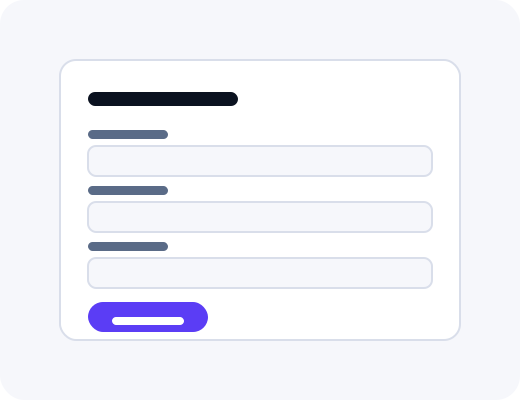
Step 1
Brief the pages and goals that matter
You define target URLs, themes, anchor preferences and compliance constraints. We turn that into marketplace filters and a delivery plan sized to your monthly credit pack.
Your role: Share priority pages, industries to favour and any domains to avoid.

Step 2
Select publishers from vetted inventory
Operators propose sites that match your brief using DR, organic traffic and topical relevance. You refine filters until the mix looks like something your SEO team would defend.
Your role: Review proposed sites and tighten filters if the mix needs adjusting.

Step 3
Approve placements, then we run outreach
Each placement enters your approval workflow with context attached. Once you accept, our in-house team handles outreach and content. You keep veto power without living in pitch threads.
Your role: Accept or reject each placement before outreach starts.
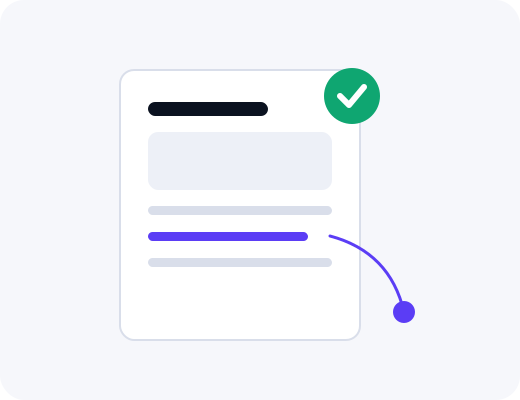
Step 4
Links go live as editorial placements
Published placements are recorded with live URLs and attributes. When publisher policy requires a different link type, it is labelled before you approve so reporting stays honest.
Your role: Spot-check live URLs and flag anything that needs a replacement review.
Step 5
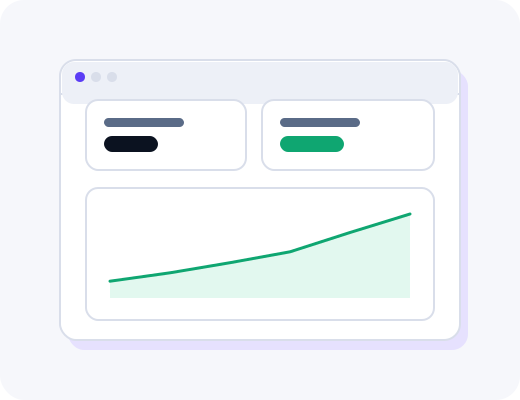
Measure against traffic and revenue signals
Reporting ties placements to referring domains, page-level traffic and ranking movement you choose to monitor so ROI conversations rest on shared evidence.
Your role: Join monthly reviews and adjust page priorities for the next credit cycle.
Marketplace preview
A sample of anonymised inventory. Category, country, DR, monthly traffic, link type and turnaround are the fields teams use when shortlisting before the approval workflow.
Showing 10 sample sites
| Category | Country | DR | Monthly traffic | Link type | Turnaround |
|---|---|---|---|---|---|
| SaaS / productivity | United States | 72 | 420k | Editorial do-follow | 14–21 days |
| Finance / fintech | United Kingdom | 68 | 310k | Guest contribution | 18–25 days |
| Ecommerce / retail | United States | 61 | 185k | Editorial do-follow | 12–18 days |
| Healthcare / wellness | Canada | 55 | 96k | Resource page | 21–28 days |
| B2B / enterprise | Germany | 64 | 140k | Editorial do-follow | 16–22 days |
| Marketing / growth | United States | 58 | 210k | Guest contribution | 10–16 days |
| Technology / developer | India | 52 | 78k | Editorial do-follow | 14–20 days |
| Travel / lifestyle | Australia | 49 | 125k | Editorial do-follow | 18–24 days |
| Legal / compliance | United Kingdom | 66 | 88k | Resource page | 21–30 days |
| Education / edtech | United States | 57 | 160k | Guest contribution | 12–19 days |
Full inventory, including site-level detail and pricing credits, is shown inside the platform after onboarding. This table is a representative sample only.
Outcomes teams hire for
Editorial links are a means to clearer rankings movement, stronger authority on priority URLs and a steadier organic pipeline—not a trophy count of raw backlinks.

Rankings on pages you choose
Monitor movement on the URLs in your brief. We do not promise positions; we give you placements and reporting so you can judge progress honestly.
Authority on key URLs
Concentrate referring domains on the product, category and guide pages that carry commercial weight instead of spraying links across the whole site.

Compounding organic pipeline
Steady monthly delivery compounds. Credits keep volume predictable while quality rules keep the profile from drifting into junk.
Case studies
Anonymized programs with metrics the client already tracked in analytics and Search Console.
B2B SaaS
B2B SaaS rebuilt referring domain mix for key product pages
+42%
Non-brand organic sessions
- New referring domains
- 86
- Program duration
- 9 mo
An in-house SaaS SEO team used approval-first outreach to expand editorial coverage on money pages with conservative anchors and non-brand reporting.
Read the storyEcommerce
Ecommerce category pages gained durable editorial links
+31%
Category organic revenue
- Live placements
- 120
- Core category domain lift
- DR +22
Retail SEO prioritised category URLs, locked topical filters, and tracked category organic revenue alongside live placements over twelve months.
Read the storyAgency
Agency scaled white label delivery across eight clients
8
Client workspaces live
- On-time delivery
- 94%
- Client-facing vendor leaks
- 0
An agency scaled white-label outreach across eight client workspaces with unbranded exports, shared quality standards, and zero supplier leaks.
Read the story
What operators say after the first cycles
Feedback from in-house leads and agency partners who run approvals, white label workspaces and monthly reporting through the product.
“Every placement is approved in the dashboard before outreach starts, and reporting lands against the pages that matter.”
“White label workspaces were the deciding factor. Clients see progress without seeing our vendor stack.”
“The publisher marketplace matched our topical brief from week one, so our approval rate stayed high.”
“Turnaround is predictable enough to plan around. Replacements are rare, and the process is clear when they happen.”
“We needed editorial links with real organic traffic. Quality rules gave leadership something they could defend.”
“Order tracking removed the weekly status email thread. The SEO squad sees where each placement sits.”
“Search Console and analytics connections meant reporting stopped being a slide deck exercise.”
“Client workspaces keep briefs, approvals and live links isolated across eight ecommerce brands.”
“Once anchors and target URLs were locked in the approval workflow, outreach moved faster than our old retainer.”
Awards and recognition
Independent shortlists and partner awards for delivery workflow, reporting clarity and agency operations.

-
Best Managed Outreach Workflow
Search Operative Awards · 2025
-
Agency Partner of the Year — White Label Delivery
Partner Growth Summit · 2025
-
Top 10 SEO Operations Tools
MarTech Stack Review · 2025
-
Buyer’s Choice: Reporting Clarity
Organic Growth Buyer Survey · 2024
Platform vs buying links from a vendor list
If you have bought from emailed inventories before, this is the operational difference.
| Factor | This platform | Vendor list buying |
|---|---|---|
| Inventory visibility | Filterable marketplace with DR, traffic and category before you commit | Opaque lists emailed as spreadsheets |
| Placement control | You approve every placement before outreach | Surprise URLs after the pitch already went out |
| Quality screening | Traffic, relevance, outbound ratio, history and manual review | DR-first selling with light due diligence |
| Delivery operators | In-house outreach and content team behind the product | Brokered freelancers with uneven standards |
| Tracking | Shared order board from brief to live link | Status buried in email threads |
| Reporting | Referring domains, anchors and optional traffic connections | CSV of URLs without outcome context |
| Agency use | White label workspaces and unbranded reports | Vendor branding leaks into client decks |
| Commercial model | Credits and quality tiers scoped in a written proposal | Per-link haggling without shared definitions of quality |
How to evaluate a link building platform before you buy
Buying outreach capacity is easy. Buying a link building platform that your SEO, content and leadership teams will still respect six months later is harder. The difference shows up in inventory honesty, approval control, replacement rules and whether reporting can survive a finance review. Use the questions below as a practical scorecard for any serious evaluation—not a theoretical framework you abandon after the sales call.
What to check before buying
Start with inventory. Ask how sites enter the publisher marketplace and what fails screening. You want evidence of real organic traffic, topical relevance, outbound link ratio checks, indexation and history review, plus a clear refusal of PBNs and link farms. If the seller can only talk about average DR, keep digging. DR is a useful filter, not a definition of quality.
Next, inspect the approval workflow. You should be able to accept or reject every placement—target URL, proposed anchor text and publisher context included—before outreach starts. If “approval” means a weekly email summary after pitches already went out, you do not have control; you have a notification.
Then look at who executes. A managed model only works when operators understand editorial standards and publisher guidelines. Ask who writes, who pitches, how turnaround is measured and what happens when a live link disappears. Replacement policies should be written, not improvised.
Finally, demand reporting that connects live backlinks to referring domains and the pages in your brief. Optional analytics and Search Console connections are a strong signal that the vendor expects to discuss traffic and revenue, not just delivery counts. Agencies should additionally confirm white label workspaces and unbranded exports so client decks stay clean.
Red flags
Guaranteed rankings are the loudest red flag. Be equally wary of unlimited packages, inventory that never changes, sites that accept every niche in the same week, and pricing that only works if the seller recycles expired domains. If you cannot see sample marketplace fields—category, country, DR, traffic band, link type, turnaround—before contracting, assume the list is weaker than the pitch. Pressure to skip approvals “to move faster” is another warning: speed without a gate produces links your brand team will later ask you to remove.
How quality is verified here
On this link building platform, sites are screened before they appear in your workspace. Real organic traffic, topical relevance, outbound link behaviour, history and indexation are reviewed, then a person makes the final call. When a placement is proposed, you still decide. The marketplace narrows options; the approval queue enforces your standards for anchors, URLs and brand fit.
How results are measured
Track referring domains on priority URLs, the mix of branded versus descriptive anchor text, indexation of live placements and traffic on those URLs over a horizon long enough to matter. Layer ranking movement where it informs decisions, without treating a single keyword screenshot as proof of ROI. Ecommerce and SaaS teams should connect organic revenue or pipeline influence where analytics allows; agencies should measure on-time delivery, retention and whether white label reporting reduces deck rebuild hours. A useful link building platform supports those conversations with exports and shared dashboards rather than forcing you to rebuild evidence by hand.
Why approval control matters
Approval is where strategy becomes enforceable. Without it, outreach teams optimise for volume and you inherit the risk. With it, you keep anchors conservative, money pages prioritised and sensitive niches away from the wrong publishers. Book a demo and walk the marketplace, approval queue and reporting with someone who runs live campaigns. Ask them to show a rejected site, a rejected placement and a replacement record—those three artefacts reveal more about how a link building platform really works than any homepage claim.
Frequently asked questions
Straight answers on scope, pricing approach, delivery and policies.
What does the platform include?
Dashboard access to a vetted publisher marketplace, an approval workflow for every placement, in-house outreach and content, order tracking from brief to live link, and reporting that connects placements to rankings, traffic and revenue signals. Agencies also get client workspaces and unbranded reports.
How is pricing scoped if there is no public price list?
Plans are scoped around monthly credit volume, quality tier and white label needs. After a demo we send a written proposal based on your target pages, industries and monthly link volume. Credits stay transparent inside the product so finance can forecast without vague retainers.
Is there a minimum commitment?
Most programs start on a monthly credit pack with a defined initial term so both sides can measure delivery quality. Exact minimums depend on volume and tier and are confirmed in the proposal. Trial scopes are available when inventory fit needs proving first.
How does the approval workflow work?
After you brief target URLs, themes and anchor preferences, we propose placements from the marketplace. You accept or reject each one in the dashboard before outreach begins. Rejected ideas do not consume delivery credits.
What turnaround should we expect?
Median time from approval to live link depends on niche and publisher calendars. Many placements land within two to four weeks after approval. Higher DR or tightly moderated sites can take longer. Order tracking shows stage-level status.
What is the link replacement policy?
If a live placement is removed or fails agreed indexation checks within the replacement window in your agreement, we source a comparable replacement at no additional credit cost. Edge cases are documented in the order record.
Who owns the content?
Unless a publisher contract says otherwise, you retain rights to the brief, messaging and assets you supply. Publisher-owned editorial may remain on their domain under their licence. Ownership is clarified per placement type before outreach.
Can agencies run this white label?
Yes. Agency plans include isolated client workspaces and unbranded reporting so you present progress under your brand. Inventory sourcing and outreach stay on our side; clients do not need a second vendor relationship.
Which industries do you serve?
We work most often with B2B, SaaS, ecommerce, fintech, health-adjacent and professional services brands, plus agencies in those verticals. Sensitive niches are reviewed during scoping so filters and compliance expectations are set before credits are committed.
Are links do-follow?
Default inventory targets contextual editorial do-follow links on sites that pass traffic, relevance and outbound ratio checks. When a placement is sponsored or no-follow by publisher policy, that attribute is labelled before you approve.
What does reporting cover?
Live link URLs, anchor text, referring domains, indexation status and optional connections to rankings and analytics properties you authorize. Agency workspaces can export unbranded summaries for client decks.
How does cancellation work?
You can pause or end according to the notice period in your proposal. Unused credits and in-flight orders are reconciled against the replacement and delivery rules already agreed. There is always a documented exit path.
See the workflow on a live demo
Walk through the publisher marketplace, approval queue and reporting with an operator who runs real campaigns.
Request a demo
Tell us how you work and the monthly volume you have in mind. We will reply within one business day to schedule a walkthrough of the marketplace, approvals and reporting.