
Services
SaaS backlink campaigns mapped to pipeline pages
Concentrate editorial placements on integration pages, comparison hubs, use-case clusters and bottom-funnel feature URLs—the pages product marketing and SEO already prioritise. Inventory filters favour B2B publishers your buyers actually read.

Which SaaS pages benefit most
SaaS backlink campaigns perform best when credits concentrate on URLs that carry commercial intent and enough on-page depth to earn editorial context—integration pages, comparison hubs, use-case clusters and feature lines tied to pipeline stages. Scoping maps inventory to those priorities rather than spreading placements across blog experiments with no revenue adjacency.
Product marketing and SEO inputs shape the brief: personas, messaging guardrails, competitor language legal has cleared and pages sales leadership flags for the quarter. Anchor ratios favour blends of branded, partial and topical text around conservative money pages—not over-optimized exact-match patterns that trigger internal review.
Horizontal and vertical SaaS programs
Inventory filters favour publishers your buyers read—industry trades, ops and finance blogs, integration ecosystems and credible software review media where appropriate. Narrow verticals may reduce pool size but increase relevance; scoping documents trade-offs before credits commit. Compliance notes for security-sensitive categories capture during onboarding and persist in workspace blocklists.
Horizontal SaaS brands often maintain separate brief tags for enterprise versus SMB narratives so proposals stay on-message. Vertical SaaS teams may require stricter publisher filters and dual approval when claims touch regulated outcomes. See the SaaS industry playbook for vertical-specific FAQ detail.
Technical content without diluted accuracy
Guest and PR drafts can include feature depth, integration workflows and security-conscious language when your team supplies accurate inputs. Editors adapt tone for publisher audiences without inventing capabilities or performance claims. Sensitive statements route through your review queue before submission; publishers retain final editorial control.
Comparison and alternative keywords can be targeted when anchor guardrails and legal visibility allow. Proposals show exact surrounding copy before approval so brand teams can intervene. Aggressive competitor mentions may be limited by publisher policy even when your brief requests them.
Cadence aligned to launch calendars
Many SaaS teams run monthly placements aligned to feature releases, integration launches or content refreshes. Velocity pacing avoids sudden spikes that look unnatural beside steady organic growth. Order tracking helps sync outreach with product marketing calendars so stakeholders see the same timeline without spreadsheet sidecars.
Digital PR campaigns can accompany steady guest posts or niche edits when milestones warrant news moments—funding, benchmark reports or flagship integrations. Credit allocation separates motions in scoping so finance reviews spend by format during quarterly roll-ups.
Reporting for in-house and agency teams
Live URLs map to agreed target pages in exports suitable for leadership and client reviews. Optional Search Console and analytics connections sit beside placement data when authorized—read-only and scoped to properties you choose. We do not promise ranking positions or pipeline revenue; measurement focuses on referring domain growth, indexation and signals you already monitor.
Agency workspaces export unbranded summaries with live URLs mapped to client target pages. Client-facing views can hide internal credit mechanics when configured. Full operational detail remains in internal dashboards for operators managing multiple SaaS accounts.
Publisher types that fit B2B SaaS
Industry trades, operator blogs, finance and IT media, credible review ecosystems and integration partner publications typically outperform generic tech lists for SaaS buyers. Screening excludes syndicated low-quality directories; proposals show host context so product marketing recognises the audience. Developer-focused products may need technical depth and code-adjacent examples when publishers expect them—supply accurate snippets and version notes your docs team confirms.
Horizontal SaaS brands often maintain separate narrative tracks for enterprise versus SMB buyers. Tag briefs accordingly so anchors and examples match the page URL in the queue. Vertical SaaS may require smaller pools with stricter compliance notes—scoping documents those constraints before credits allocate.
Cross-functional alignment
SaaS backlink campaigns run smoother when product marketing, demand gen and SEO share one brief template. Integration launches should list accurate API capabilities and partner names before drafts reference them. Security and compliance teams may require review queues on comparison pages that mention certifications or data handling—configure dual approval during scoping rather than improvising mid-campaign. Customer marketing can supply anonymised outcomes for thought leadership angles when case study clearance allows.
RevOps teams benefit from tagging placements to pipeline stages—awareness blogs versus bottom-funnel feature URLs—so monthly reporting conversations stay tied to revenue priorities without forcing unrelated pages into the same anchor mix.
Getting started
Book a demo with a short list of priority URLs and personas. We walk marketplace filters on representative data, an approval example on a comparison page and reporting exports your finance team would accept. Ask how replacements work when a live placement fails agreed checks—the answer should be written in your proposal, not improvised on the call.
Bring notes on which product surfaces matter this quarter, which competitors you refuse to mention, and whether agency partners need unbranded exports. Those details shape credit packs and quality tiers without forcing a public rate card. Operators leave the session with a clear next step: a written scope outline, a sample shortlist style, and a proposed monthly volume band matched to your launch calendar—not a vague promise of more referring domains without page context.
After onboarding, keep a living brief document inside the workspace. Update it when pricing pages change, when a feature ships, or when legal revises claim language. Small brief updates prevent rejected placements and keep SaaS backlink campaigns aligned with the same revenue pages your paid and lifecycle teams already protect.
Brief pipeline pages first
SaaS programs start with a concise brief: target URLs, integration themes, anchor guardrails and pages product marketing needs supported this quarter.
Report against pipeline URLs
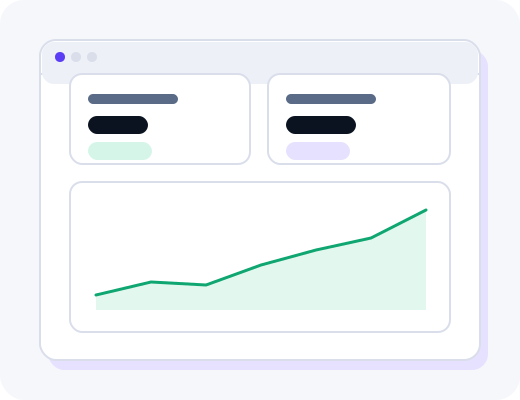
Reporting ties live placements to the integration, comparison and feature pages in your brief—not a disconnected list of domains.
Frequently asked questions
Which SaaS pages benefit most from managed outreach?
Integration pages, comparison hubs, use-case clusters and bottom-funnel feature URLs typically see the strongest relevance from editorial placements. Scoping maps inventory to your pipeline stages rather than spreading credits randomly. Product marketing and SEO inputs shape the brief.
Do you work with horizontal and vertical SaaS brands?
Yes. Inventory filters favour publishers your buyers actually read—industry trades, ops blogs and software review ecosystems where appropriate. Narrow verticals may reduce pool size but increase relevance. Compliance notes are captured during scoping.
How technical can guest content be?
Drafts can include feature depth, integration workflows and security-conscious language when your team supplies accurate inputs. Editors adapt tone for publisher audiences without diluting technical accuracy. Sensitive claims require your sign-off before submission.
Can we target comparison or alternative keywords?
Anchor and page guardrails you set during onboarding govern comparison language. Proposals show exact context before approval so legal or brand teams can intervene. Aggressive competitor mentions may be limited by publisher policy.
What cadence suits SaaS credit packs?
Many SaaS teams run monthly placements aligned to launch calendars or content refreshes. Velocity pacing avoids sudden spikes that look unnatural beside organic growth. Order tracking helps sync outreach with product releases.
How do agencies report SaaS placements to clients?
Agency workspaces export unbranded summaries with live URLs mapped to agreed target pages. Client-facing views hide internal credit mechanics when you prefer. Full detail remains in your internal dashboard.
See the workflow on a live demo
Walk through the publisher marketplace, approval queue and reporting with an operator who runs real campaigns.