
For in-house teams
Outsourced backlink acquisition with internal control retained
Marketing and SEO leads at B2B, SaaS and ecommerce brands outsource publisher discovery, negotiation and content production while keeping page priorities, anchor rules and approval authority inside the company—visible in one dashboard, not buried in email threads.

What in-house teams outsource—and what stays internal
Outsourced backlink acquisition for in-house teams works when the split is explicit. You keep strategy: which URLs matter this quarter, how anchors should mix, which competitors or categories are off limits and who must sign off before publish. We take publisher discovery, outreach negotiation, content adaptation to house style and publish follow-through—the work that otherwise requires dedicated headcount or fragile freelancer networks.
The dashboard makes outsourced execution visible without losing control. Order tracking, approval history and reporting give the same visibility an internal coordinator would provide, minus the hiring cycle. Pausing or reprioritising credits does not require renegotiating a vague monthly retainer; committed versus delivered credits stay transparent for finance.
Approval control as the operating principle
Every proposed placement hits your queue with target URL, anchor context, publisher metrics and credit cost. Accept or reject before outreach begins—rejected proposals do not consume delivery credits. That gate is how brand, legal and SEO stay aligned without blocking operators who actually execute.
Role permissions let product marketing, legal or compliance comment in the queue without admin access to unrelated settings. Audit trails show who signed off and when. Sensitive verticals can require dual approval configured during scoping; nothing publishes until the chain completes.
Fits beside your existing SEO stack
This does not replace rank tracking, technical SEO or content strategy tools you already use. Integrations connect reporting to analytics and Search Console properties you authorize—read-only and scoped. Disconnected integrations fall back to link-level reporting without breaking historical records. Delivery focus stays on managed outreach execution and placement records, not duplicating your entire martech stack.
Most teams keep an SEO lead to set priorities and a stakeholder to approve placements; large programs may add a part-time coordinator for reporting cadence. We supply outreach and content capacity that would otherwise require hiring. Exact split depends on volume documented in your proposal after scoping.
Finance-friendly credit transparency
Credit packs with transparent unit costs replace vague monthly retainers. Finance sees committed versus delivered credits on exports you schedule. Scoping documents define terms, notice periods and replacement rules upfront—starting fees are listed on pricing, with scoped overages agreed in writing before credits expand, instead of open-ended per-link haggling.
Monthly reviews alongside credit usage help reprioritise pages as merchandising or product calendars shift. Quarterly roll-ups support leadership conversations about referring domain growth on URLs that carry commercial weight—not vanity totals disconnected from pipeline.
Formats and vertical programs
Guest post placements, niche edit link insertions and digital PR campaigns share one workflow. SaaS teams often concentrate on integration and comparison pages; ecommerce teams on category hubs and buying guides. See dedicated service pages for playbook detail; industry pages capture compliance patterns for regulated niches.
We do not guarantee rankings or fixed placement counts. Measurement focuses on live URLs, anchor discipline, indexation and traffic signals you monitor over horizons long enough to inform decisions—reporting supports honest ROI conversations rather than promising positions upfront.
Stakeholder rhythms that prevent bottlenecks
In-house programs stall when approvals sit in legal inboxes for weeks. Set a recurring review slot with stakeholders who must sign off—brand, legal, product marketing—and route only proposals that meet your pre-defined guardrails into that queue. Comment threads on the order record replace scattered email so context survives handoffs. SEO leads should publish a living priority URL list each quarter; operators align proposals to that list instead of guessing which pages still matter.
Leadership reviews benefit from exports that map live placements to pages finance already tracks. Optional analytics connections add referral context without duplicating your entire data warehouse. When priorities shift mid-cycle, reprioritise credits in the dashboard rather than opening a new vendor conversation.
When to expand or pause credits
Expand monthly credits when approval latency stays low, live verification succeeds on priority URLs and finance sees predictable delivery against forecasts. Pause or reallocate when page priorities shift—site redesigns, mergers, regulatory holds—without losing visibility into in-flight orders. The order board shows what completes under prior rules versus what waits for a revised brief.
Getting started as an in-house lead
Book a demo with priority URLs, niche constraints and stakeholders who must approve. Walk marketplace filters, a sample rejection in the approval queue and reporting exports your leadership would accept. Ask to see replacement handling when a live link fails agreed checks—the policy should appear in your written proposal before you commit credits.
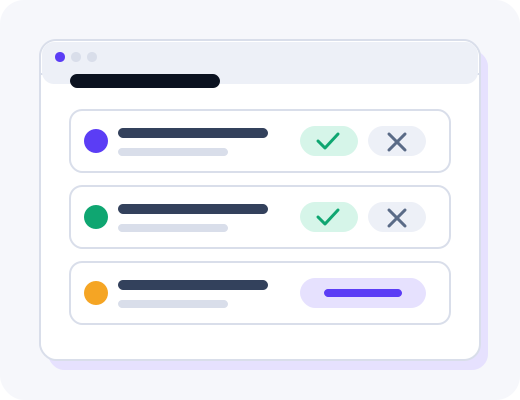
- You approve every placement before outreach
- Blocklists and anchor guardrails persist
- Order tracking from brief to live link
- Integrations with analytics and Search Console
- Credit transparency for finance forecasting
- Replacement rules documented in writing
Start with a concise brief
In-house programs begin with target URLs, themes, anchor preferences and compliance notes your team already maintains—operators translate that into marketplace filters and a delivery plan.
Frequently asked questions
What should in-house SEO teams outsource here?
Publisher discovery, negotiation, content adaptation and publish follow-through—while your team keeps strategy, page priorities and approval authority. The dashboard makes outsourced execution visible without losing control. Internal headcount focuses on analysis and roadmap.
How much control do we retain?
You set blocklists, anchor rules and approve every placement before outreach. Order tracking and reporting give the same visibility an internal coordinator would provide. Pausing or reprioritizing credits does not require renegotiating a black-box retainer.
Does this replace our existing SEO stack?
No. Integrations connect reporting to analytics and Search Console properties you already use. Rank tracking and technical SEO stay in your incumbent tools. The product focuses on managed outreach execution and placement records.
How do we involve brand or legal reviewers?
Role permissions let brand, legal or product marketing comment in the approval queue without admin access to unrelated workspaces. Audit trails show who signed off before publish. Sensitive verticals can require dual approval in scoping.
What headcount do we still need internally?
Most teams keep an SEO lead to set priorities and a stakeholder to approve placements; large programs may add a part-time coordinator for reporting cadence. We supply outreach and content production capacity that would otherwise require hiring. Exact split depends on volume in your proposal.
How does finance forecast spend?
Credit packs with transparent unit costs inside the dashboard replace vague monthly retainers. Finance sees committed versus delivered credits on exports you schedule. Scoping documents define terms, notice periods and replacement rules upfront.
See the workflow on a live demo
Walk through the publisher marketplace, approval queue and reporting with an operator who runs real campaigns.