
Industries
Cybersecurity backlink campaigns for CISO and practitioner audiences
CISO-focused trades, IT operations communities and credible security research outlets beat generic tech lists. Technical depth is preserved when your team supplies accurate inputs; security claims stay within documentation you validate.
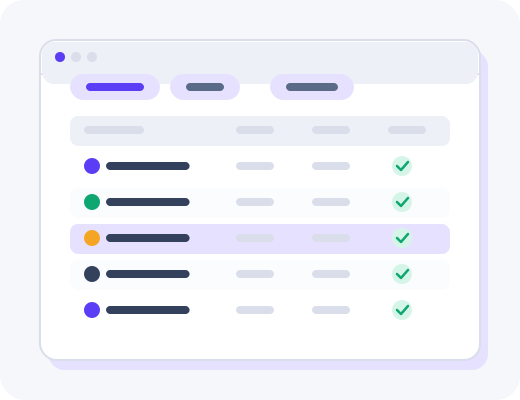
Publisher types for security vendors and MSSPs
Cybersecurity backlink campaigns align with buyers who evaluate tools seriously—CISO-focused trades, IT operations communities, MSP media and credible security research outlets. Generic tech listicles and sensational hack blogs conflict with brand tone for most enterprise vendors; those hosts can be blocklisted during onboarding. Scoping aligns angles to buyer roles: enterprise security, MSP partners or developer tooling.
When inventory includes security news and research blogs, proposals show host context and editorial expectations before approval. Technical SaaS parallels exist for product-led security brands—see the SaaS playbook for pipeline page patterns adapted to security feature URLs. B2B services overlap applies for consultancies selling advisory alongside products.
Common anchors and target pages
Product pages, solution briefs, threat research hubs and integration documentation are typical targets when claims match official materials your security team approves. Branded anchors support homepage and demo request URLs; topical anchors point to use-case pages—zero trust, email security, SIEM integration—where surrounding copy stays technically accurate.
CVE references and product capabilities must match documentation you provide. Publishers may simplify language for broader audiences but cannot invent features or absolute guarantees about threat prevention. Comparison pages targeting alternatives require the same guardrails SaaS comparison hubs use—exact context visible before approval.
- Product and platform pages with verified capability statements
- Threat research, benchmark reports and security education hubs
- Integration and partner ecosystem pages for co-marketing adjacency
- MSP and enterprise solution pages aligned to named buyer personas
Security claims and technical review
Drafts avoid absolute guarantees about threat prevention unless your security team approves specific wording. Sensitive statements route through technical review before submission. Digital PR angles tied to disclosed research or coordinated disclosure require embargo documentation on the order record before pitching begins.
Sensational outlets that conflict with brand tone belong on blocklists—not in proposals. Steady editorial placements on research-minded hosts complement PR moments when milestones warrant news coverage. Quality standards explain security site screening beyond automated authority scores.
Thought leadership and digital PR
Guest posts carry practitioner angles when your team supplies accurate technical inputs—detection workflows, architecture patterns, compliance frameworks. Editors adapt tone for publisher audiences without diluting accuracy. Thought leadership should not read like generic AI-generated security listicles; angles draw on frameworks and insights your researchers actually publish.
Digital PR can amplify benchmark reports or vulnerability research when comms and security teams align on messaging. Coverage is not guaranteed; you approve target outlets and angles before outreach. Order tracking connects PR wins and steady placements in one reporting view per workspace.
Scoping technical programs
Share buyer personas—enterprise CISO, MSP partner or developer practitioner—and the product pages that need support this quarter. Scoping documents blocklists for sensational outlets, technical depth expectations and whether digital PR complements steady editorial placements. Demos filter marketplace rows representative of security media so your team judges fit before onboarding.
Reporting for security and marketing stakeholders
Exports list live URLs, anchors and approval timestamps suitable for vendor and profile audits. Optional integration overlays add referral signals without exposing unnecessary analytics breadth. Workspace roles limit who sees portfolio-wide data—useful when agencies manage multiple security clients.
Indexation checks apply to host pages. Replacements follow the policy in your proposal if a live placement fails agreed checks within the replacement window. Historical records support renewal conversations and periodic link profile reviews.
Technical publishers, not generic lists
Inventory filters favour hosts security practitioners recognise—research blogs, ops communities and trades with editorial standards that match enterprise vendor tone.

Profile quality over raw volume
Reporting emphasises credible referring domains and indexation on approved product URLs—not vanity counts from hosts your CISO would disown.
FAQ
Which audiences matter for cybersecurity campaigns?
CISO-focused trades, IT operations communities and credible security research outlets typically beat generic tech lists. Scoping aligns angles to buyer roles—enterprise security, MSP or developer tooling. Technical depth is preserved when your team supplies accurate inputs.
How are security claims handled in content?
Drafts avoid absolute guarantees about threat prevention unless your security team approves specific wording. CVE references and product capabilities must match official documentation you provide. Publishers may simplify language but not invent features.
Do you place on security news and research blogs?
When inventory includes credible security media, proposals show host context and editorial expectations before approval. Sensational or hack-focused outlets that conflict with brand tone can be blocklisted. Digital PR angles may complement steady editorial placements.
How do security teams report placements internally?
Exports list live URLs, anchors and approval timestamps suitable for vendor and profile audits. Optional integration overlays add referral signals without exposing unnecessary analytics breadth. Workspace roles limit who sees portfolio-wide data.
See the workflow on a live demo
Walk through the publisher marketplace, approval queue and reporting with an operator who runs real campaigns.