
Industries
Fintech backlink campaigns with compliance built into every brief
Regulated categories use stricter publisher filters, conservative claims language and mandatory stakeholder approval before outreach. Personal finance editors, B2B payments trades and credible business media fit better than generic finance lists.

Publisher types for finance and payments brands
Fintech backlink campaigns require hosts your compliance team would recognise—personal finance editors, B2B payments trades and credible business media with real editorial desks. Screening excludes obvious spam niches and thin affiliate finance directories. Each proposal includes host context, typical audience and moderation level so legal can review before you approve outreach.
Inventory pools may be smaller than consumer lifestyle verticals but more controlled. Banking, lending, crypto-adjacent and insurance products each carry distinct claims boundaries documented during scoping. Dual approval can be configured for high-risk pages—product URLs, rate tables and anything touching regulated outcomes.
Common anchors and target pages
Product pages, educational hubs, comparison content and compliance resources can all receive anchors when guardrails route certain copy through legal approval. Proposals label target URLs and surrounding paragraphs before outreach—not just the anchor string. Branded anchors dominate on homepage and app download URLs; topical and partial anchors support category and use-case pages where claims stay conservative.
Blog content targeting financial literacy themes should point to educational hubs with strong E-E-A-T signals—not unreviewed experiments. Rate, fee and performance language must match approved copy your compliance team supplies. Publishers may simplify language but cannot invent product capabilities or guaranteed outcomes.
- Product and pricing pages with pre-cleared claims language
- Educational hubs explaining products, risks and eligibility
- B2B solution pages for payments, treasury and embedded finance
- Compliance, security and trust centre URLs stakeholders flag
Compliance notes for regulated niches
Sensitive categories are reviewed during scoping with stricter publisher filters and mandatory stakeholder approval. Claims in drafts follow conservative language unless your compliance team approves specific wording. Inventory pools may shrink when filters tighten—that trade-off is documented before credits commit so finance and legal expectations align.
Security and data-handling statements must match official documentation you provide. Embargo and exclusivity rules for digital PR angles are documented on the order record. Off-brand pitches can be withdrawn before outreach. See the legal playbook for adjacent ethics patterns shared across professional services.
Digital PR and steady editorial placements
Newsworthy angles—benchmark reports, partnership announcements, regulatory milestones—can run alongside steady guest posts when compliance clears the narrative. Digital PR campaigns follow the same approval workflow as other formats; coverage is not guaranteed but target outlets and angles require your sign-off before pitching begins.
Approvals retain timestamped history suitable for periodic profile audits. Role permissions let compliance reviewers comment without admin access to unrelated workspaces. Blocklists persist so off-brief publishers never re-enter proposals after rejection.
Scoping regulated programs upfront
Disclose product type, jurisdictions and pages requiring legal review before the first proposal. Scoping captures dual-approval rules, conservative claims templates and publisher categories that remain in bounds—so compliance teams are not surprised by hosts outside the agreed filter set. Trial scopes on a narrow page set help prove inventory fit before larger credit packs commit.
Reporting for audits and leadership
Live URL lists with anchors, placement dates, approval history and indexation status support periodic profile audits. Exports can exclude internal credit fields for external sharing with regulators or partners. Long-term retention follows your enterprise or standard agreement.
Optional Search Console and analytics connections overlay referral signals without exposing unnecessary analytics breadth. Workspace roles limit who sees portfolio-wide data—important when agencies manage multiple fintech clients under one operator account.
Authority from credible finance media
Placements on hosts compliance recognises contribute to referring domain quality—not vanity counts from directories your legal team would reject on sight.

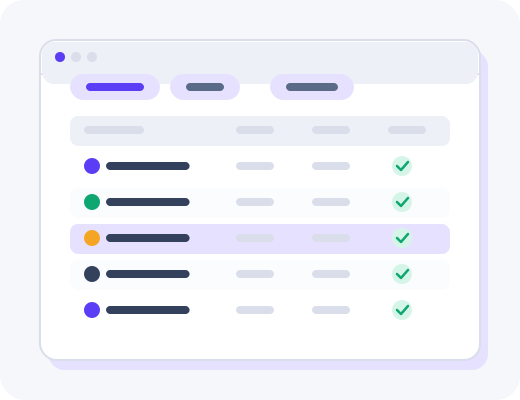
Pre-filtered finance inventory
Marketplace filters narrow publishers to finance-relevant categories before proposals reach your compliance queue—saving review cycles on hosts that were never appropriate.
FAQ
How are regulated fintech niches handled?
Sensitive categories are reviewed during scoping with stricter publisher filters and mandatory stakeholder approval. Claims in drafts follow conservative language unless your compliance team approves specific wording. Inventory pools may be smaller but more controlled.
Which publishers work for fintech brands?
Personal finance editors, B2B payments trades and credible business media often fit better than generic finance lists. Screening excludes obvious spam niches. Each proposal includes host context for your compliance review.
Can we link to product, blog and compliance pages?
Yes, with guardrails that route certain anchors through legal approval. Proposals label target URLs and surrounding copy before outreach. High-risk pages can require dual sign-off configured in scoping.
What reporting do fintech teams export for audits?
Live URL lists with anchors, placement dates, approval history and indexation status support periodic profile audits. Exports can exclude internal credit fields for external sharing. Long-term retention follows your enterprise or standard agreement.
See the workflow on a live demo
Walk through the publisher marketplace, approval queue and reporting with an operator who runs real campaigns.